

Home Solar Panels, Explained Before You Buy
How a system works, which panel technology is worth paying for, and what separates a good proposal from a rushed one, written for Perth roofs.
Home solar panels turn sunlight on your roof into electricity your household can use straight away. Rooftop solar is a proven technology in Perth, one of the sunniest capital cities in the country. What still varies a lot is the quality of the design.
This page covers how a system works, which panel technology is worth paying attention to, and the questions that tell a good proposal from a rushed one.
What a Home Solar System Is Made Of
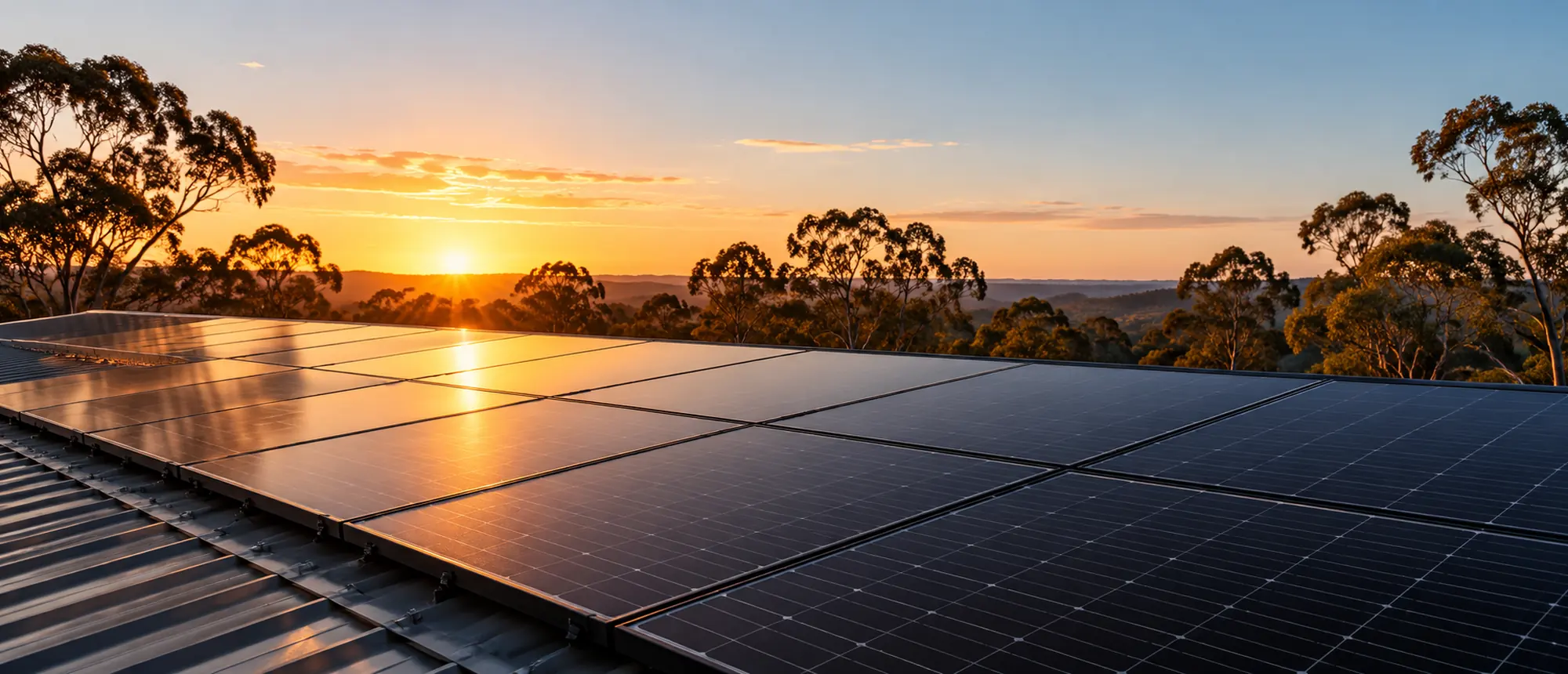
A rooftop system has four main parts. Each one affects how much power you get and how long it keeps working.
| Part | What it does | What to check |
|---|---|---|
| Solar panels | Convert sunlight into DC electricity | On the Clean Energy Council approved list; product and performance warranty terms; who backs the warranty in WA |
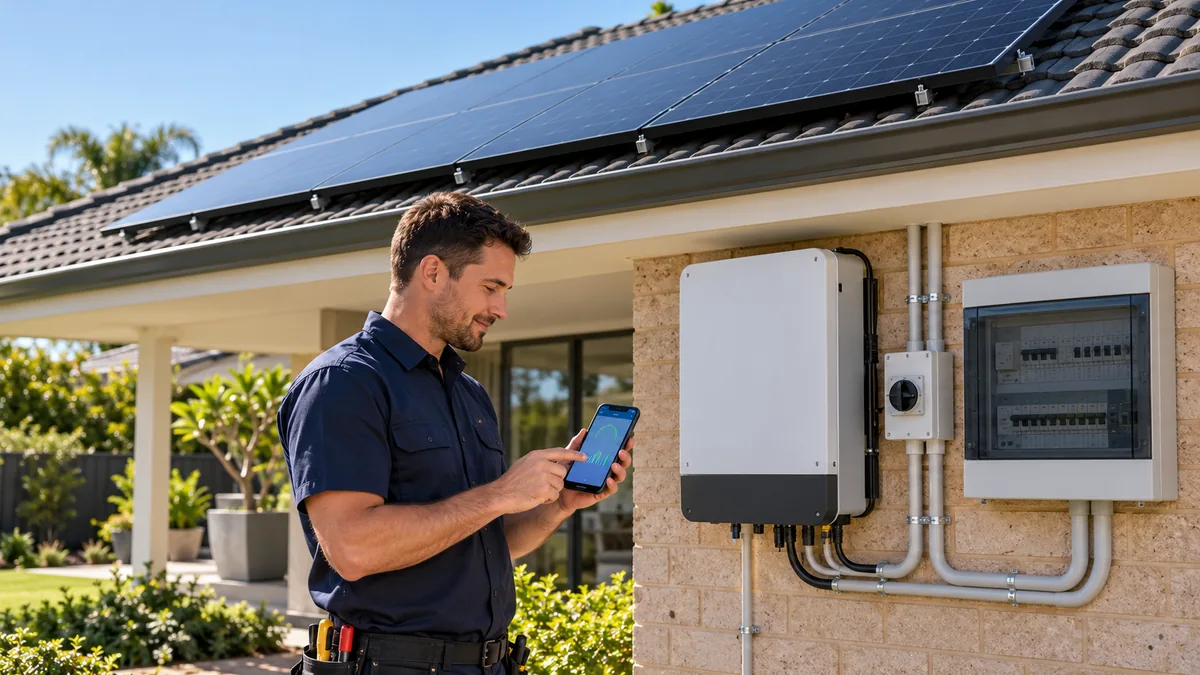
| Inverter | Converts DC into the AC power your home uses | Approved for your network; battery-ready or hybrid if storage is planned; monitoring |
| Mounting system | Holds the panels to your roof | Rated for your wind region and roof type (tile, corrugated, Klip-Lok) |
| Monitoring | Shows what the system is producing | App access for you, not just the installer |
Panel Technology in Plain English
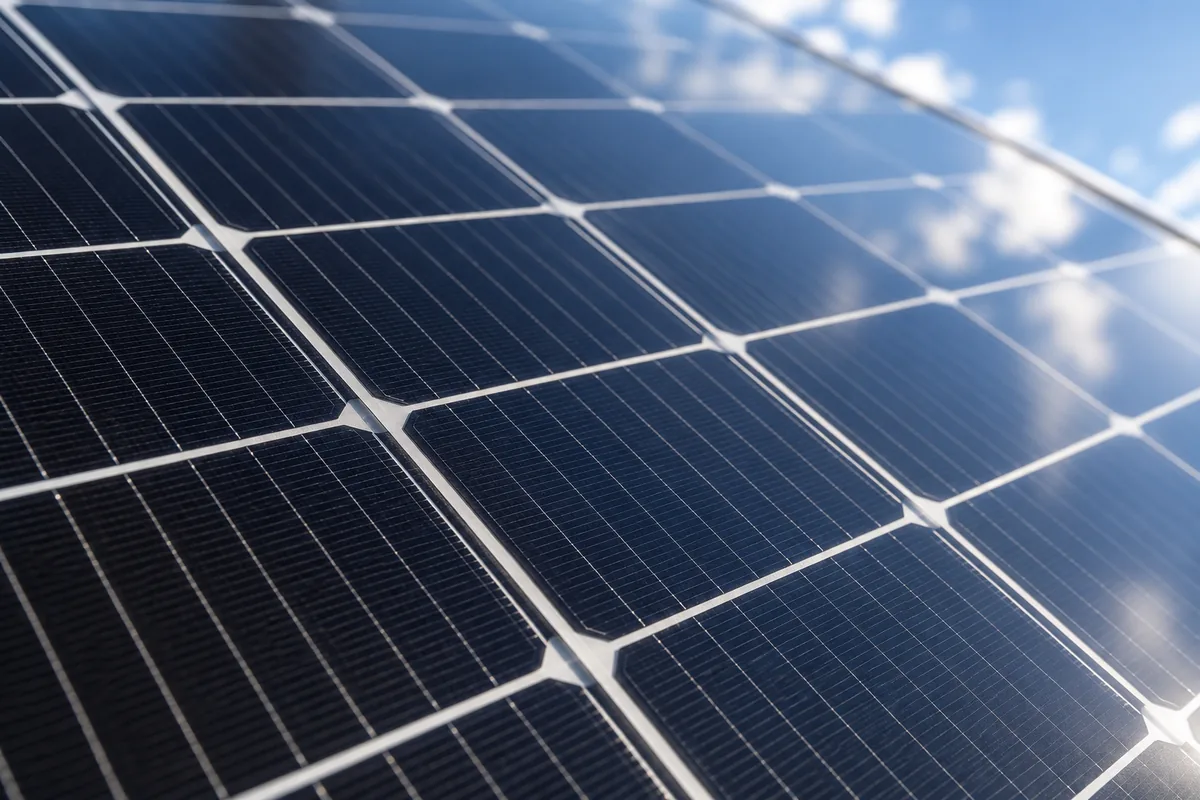
Almost every panel sold for Perth homes today is monocrystalline silicon. The differences that matter now sit inside the cell.
- N-type cells.Most premium panels have moved from P-type to N-type silicon. N-type cells lose less output in the first months and tend to handle heat better.
- TOPCon.A cell structure that adds a thin passivating layer to lift efficiency. It is now the mainstream choice across many major manufacturers.
- Heterojunction (HJT) and back-contact cells.Higher-efficiency designs that help when roof space is tight. They cost more per panel, so they pay off mainly on small or broken-up roofs.
- Half-cut cells.Splitting each cell in two reduces losses and limits the impact when part of a panel is shaded.
Higher efficiency means more output from the same roof area. It does not automatically mean better value. On a large, unshaded roof, a well-made mid-efficiency panel can do the job just as well.
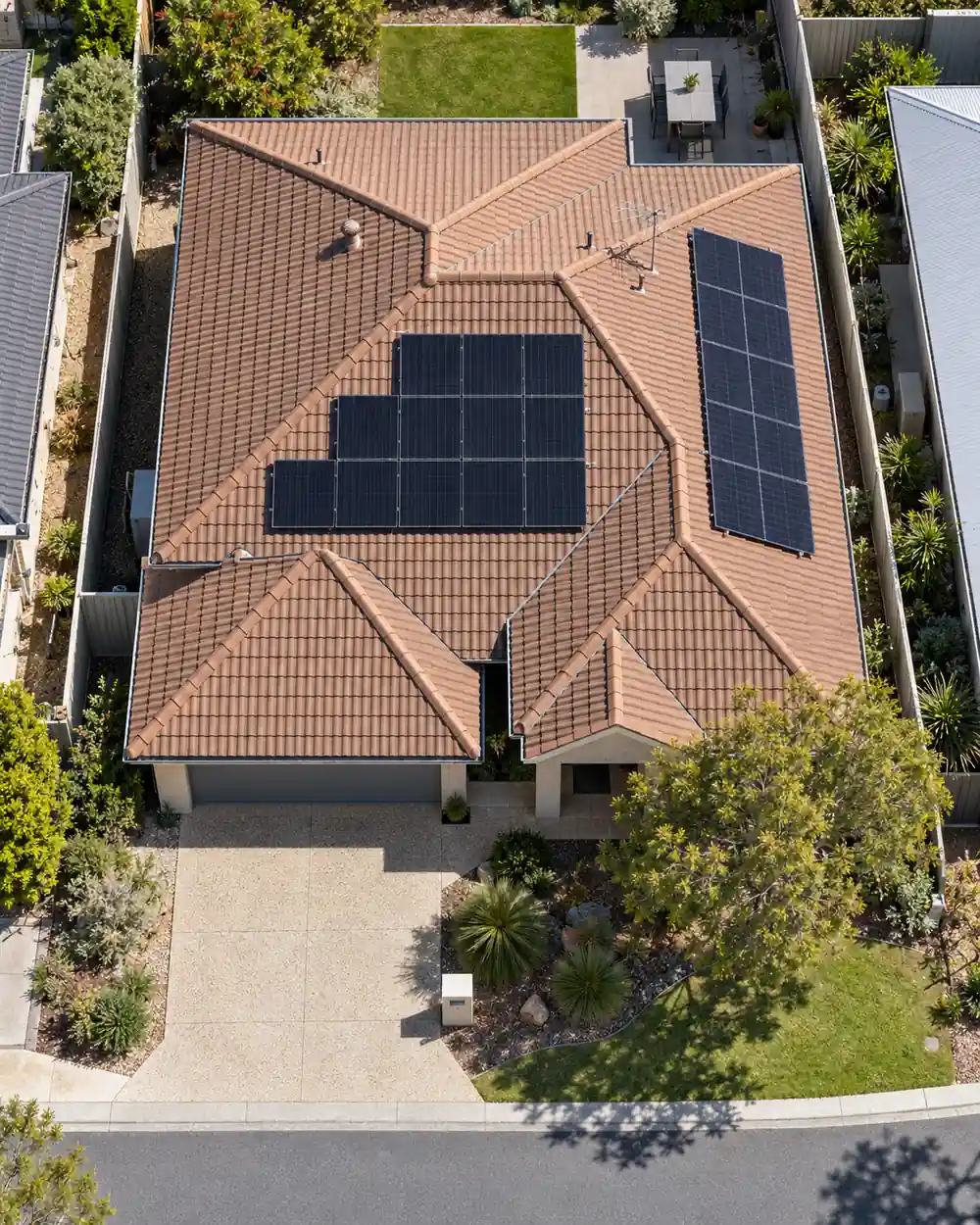
Is Your Roof Suitable for Solar Panels at Home?
Most Perth roofs can take solar. The useful questions are how much and where.
- Orientation.North-facing roofs produce the most energy over a year. East and west faces spread production across the morning and late afternoon, which can suit households that use more power outside the middle of the day.
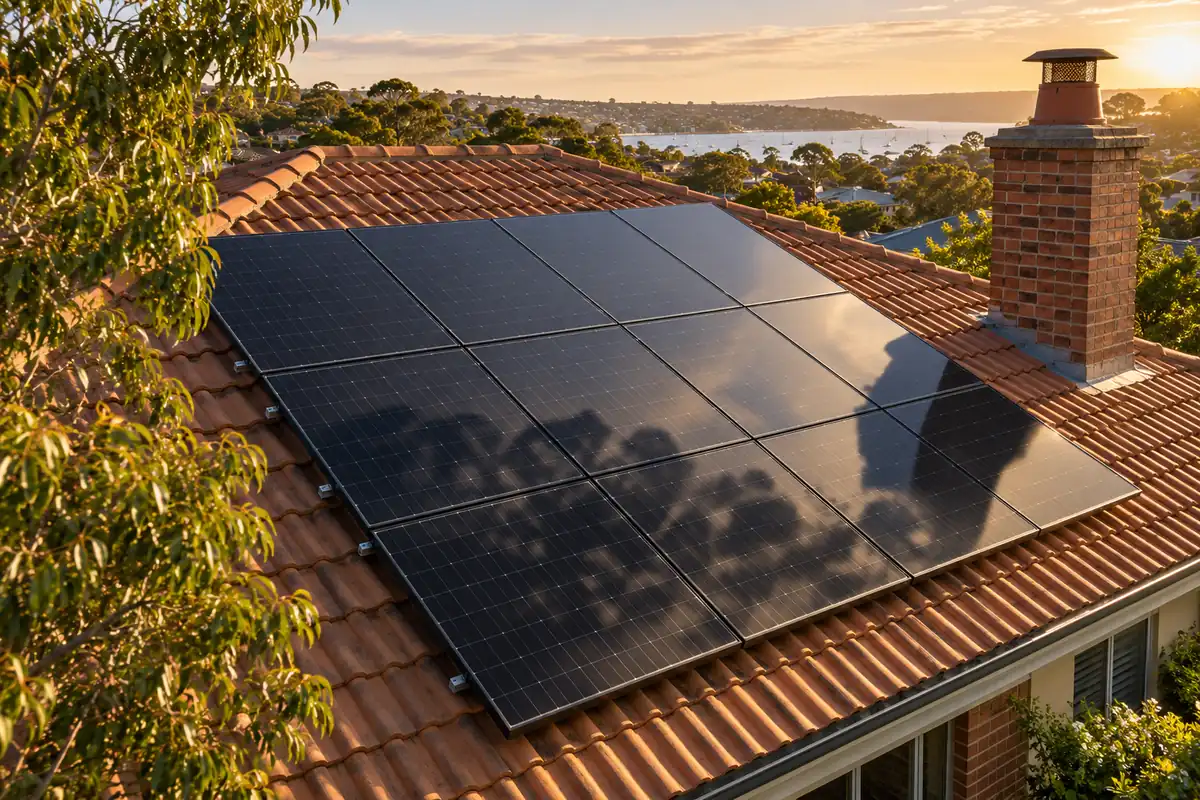
- Shading.Trees, chimneys, neighbouring buildings and even a vent pipe can drag down a string of panels. We map shade across the seasons, not just on the day we visit.
- Roof condition.Panels stay up for decades. If the roof needs repairs soon, it is cheaper to fix it first.
- Space and layout.Setbacks from roof edges and ridges limit how many panels fit. We plan the layout before quoting a system size.
Not Sure What Suits Your Home?
Send a recent bill and we will come back with a written recommendation, including when solar and a battery do not make sense.
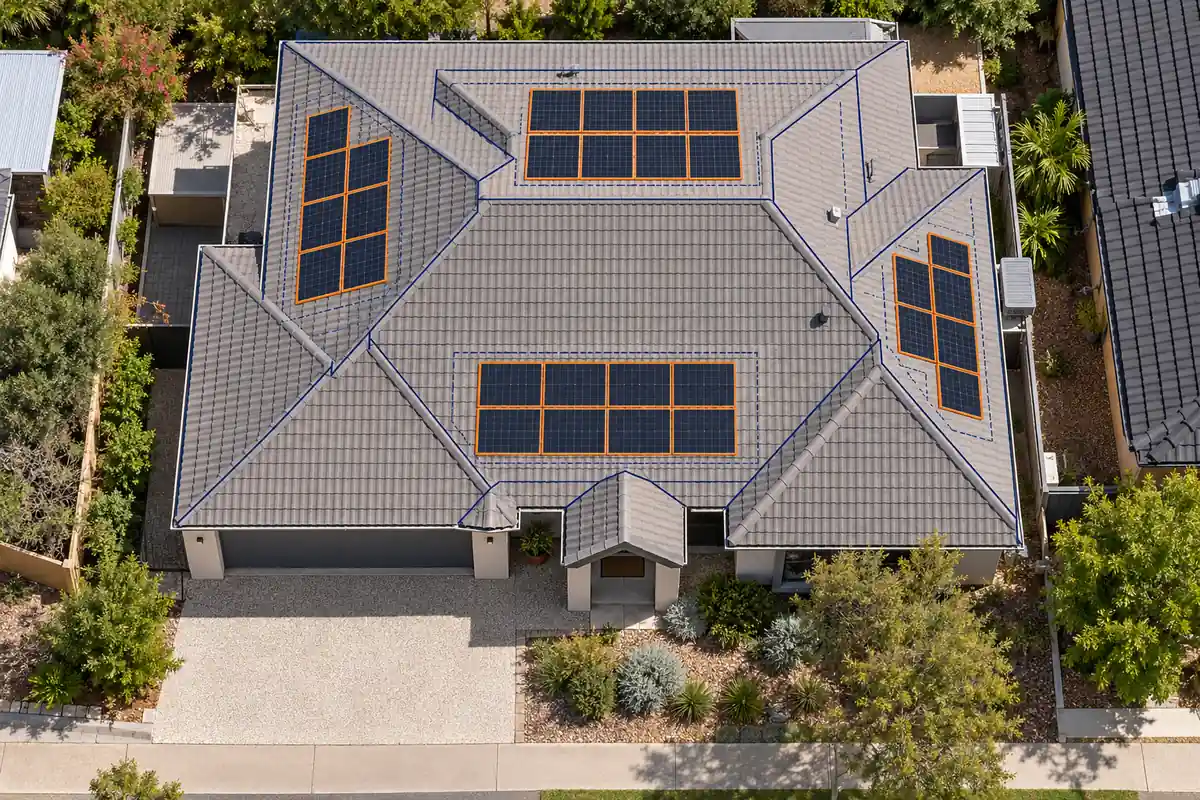
How We Size a System
The right size comes from four inputs, not a standard package.
- Your usage pattern.We read your bills or, better, your interval data to see when you use power.
- Your roof.Usable area, orientation and shading set the practical ceiling.
- Your network's rules.Each distribution network sets export limits for homes. A bigger array can still make sense when exports are capped, but the design changes.
- Your plans.A battery, an EV, a pool pump or a switch from gas to electric appliances all push the right size up.
Planning an electric car? See how a home EV charger can run on spare solar.
Under the federal rules, the panel capacity on a system can be up to a third larger than the inverter rating (133%) and still qualify for small-scale technology certificates. We use that headroom where it adds energy without adding risk.
Solar Panels for Home Use: Grid-Connected, Hybrid and Microinverter Setups
- String inverter systems.Panels connect in series to one central inverter. Simple and proven when the roof has little shade.
- Microinverters.A small inverter sits under each panel, so one shaded panel does not drag the others down. Useful on complex or partly shaded roofs.
- Hybrid inverters.One unit manages the panels and a battery. If storage is on your list, starting with a hybrid inverter usually avoids replacing equipment later. See our solar batteries page.
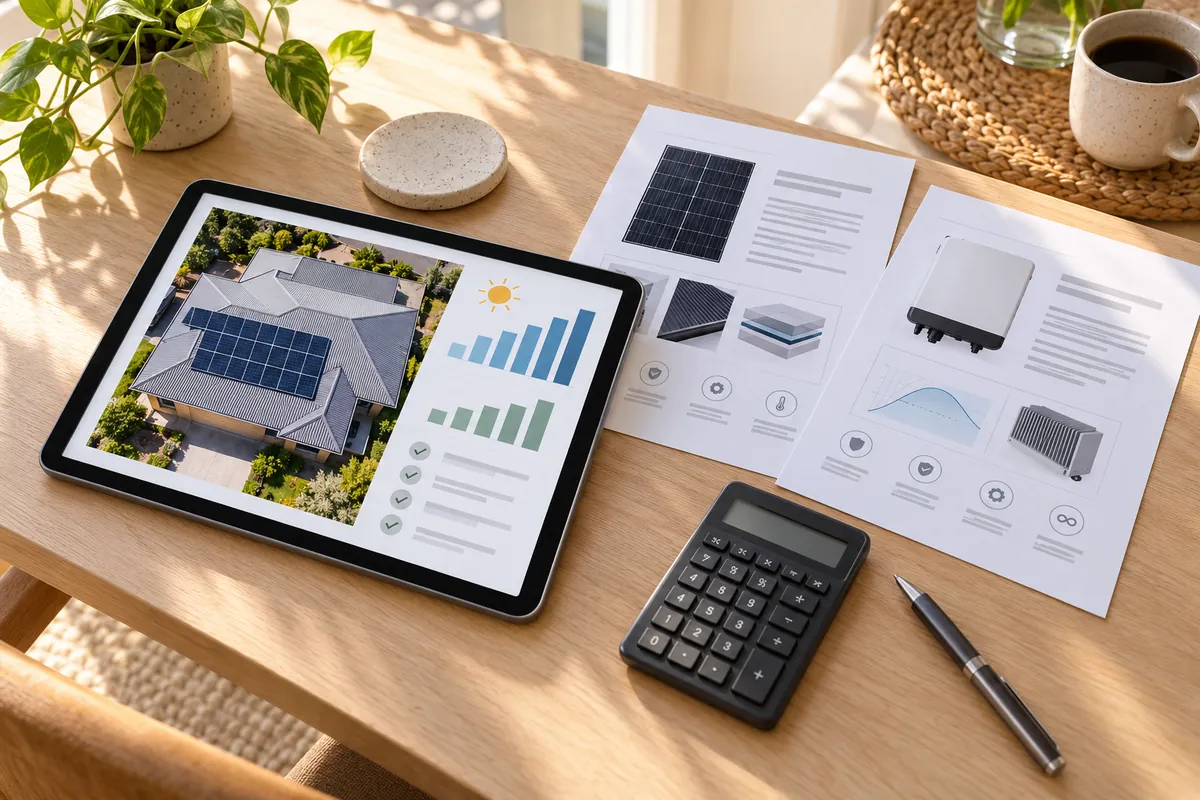
What Makes a Solar Proposal Trustworthy
Before you sign anything for solar panels in Perth, check that the proposal shows:
- The exact panel and inverter models, with data sheets
- That both are on the approved product lists
- The name of the accredited designer and installer, which you can verify through Solar Accreditation Australia
- A panel layout drawn on your roof
- The small-scale technology certificates (STCs) applied and how they were calculated
- Who holds the manufacturer warranty in WA and what the installer covers on workmanship
A proposal missing any of these is worth questioning.
Want This Worked Out for Your Roof?
A site assessment checks your roof, switchboard and network rules before any design is drawn.
The Federal Solar Rebate, Briefly
- Systems up to this size attract STCs
- 100kW
- Panel capacity allowed
- 133%of the inverter rating
- The scheme ends
- 2030
Solar panel systems up to 100 kW attract small-scale technology certificates under the Small-scale Renewable Energy Scheme. The number of certificates depends on system size, your postcode zone and the installation year. The scheme winds down each year until it ends in 2030, so the same system earns fewer certificates every January. Our rebates guide explains it in full, along with state programs.
Frequently Asked Questions
Do Home Solar Panels Work on Cloudy Days?
Yes, at reduced output. Panels respond to light, not heat, so they still generate under cloud. A heavy overcast day might deliver a fraction of a clear day's production.
How Long Do Solar Panels Last?
Quality panels are built to keep producing for decades, with gradual output loss each year. The performance warranty tells you the minimum output the manufacturer promises after a set number of years. Check that figure and who honours it.
Do I Need a Battery With Solar Panels?
No. Solar works on its own. A battery adds value when you export a lot during the day and buy a lot back at night. Many people start with a battery-ready system.
Is a North-Facing Roof Essential?
No. North gives the most total energy, but east-west systems are common and can match household usage better.
Which Solar Panels Can Be Installed in Perth?
To qualify for STCs, panels must be on the Clean Energy Council approved list and installed by an accredited installer. That list is the safest starting point for any solar panels home buyers compare.
Ready to Plan Your Home Solar Panels?
Every Sunroof Solar design starts with your bills and your roof. We will tell you what size makes sense and what we would leave off.
Read how we handle solar panel installation or check where we install.