

Solar Panel Installation, From Roof Check to Switch-On
A few days of paperwork wrapped around a day of roof work. See every step, the standards it meets and what happens on the day.
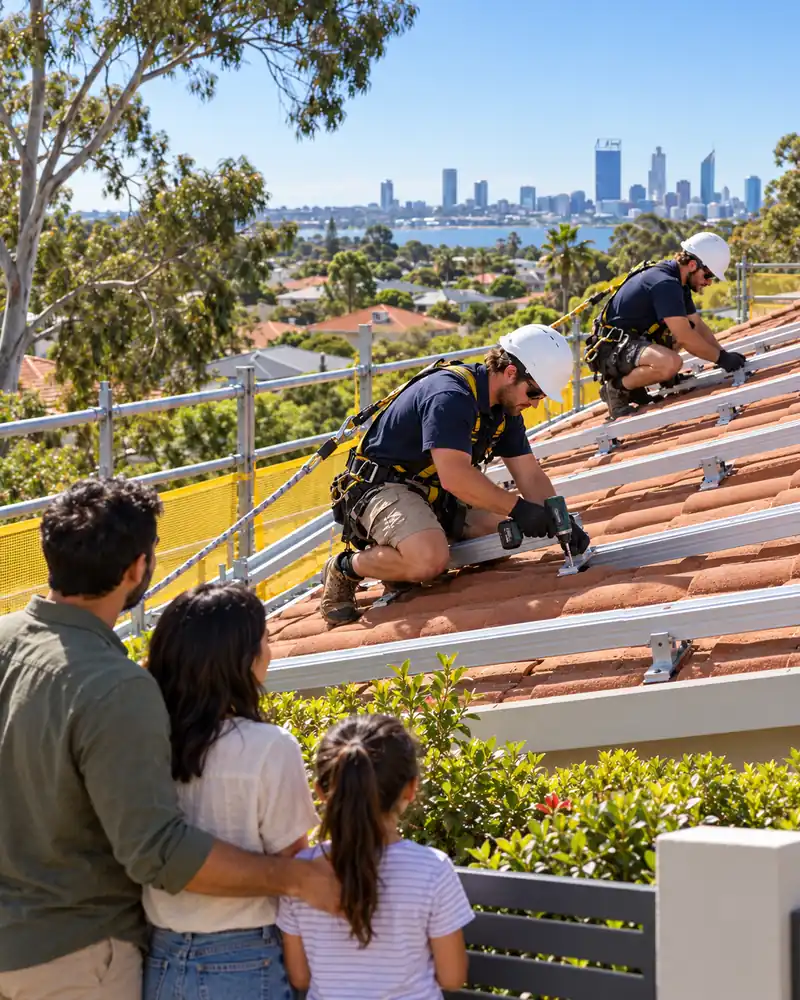
A solar panel installation is a few days of paperwork wrapped around a day or so of roof work. The roof work is what you see. The paperwork, design and approvals are what decide whether your system performs and stays compliant for decades.
Here is exactly how Sunroof Solar handles it, what Australian standards apply, and what you can expect on the day.
New to solar? Start with our guide to home solar panels.
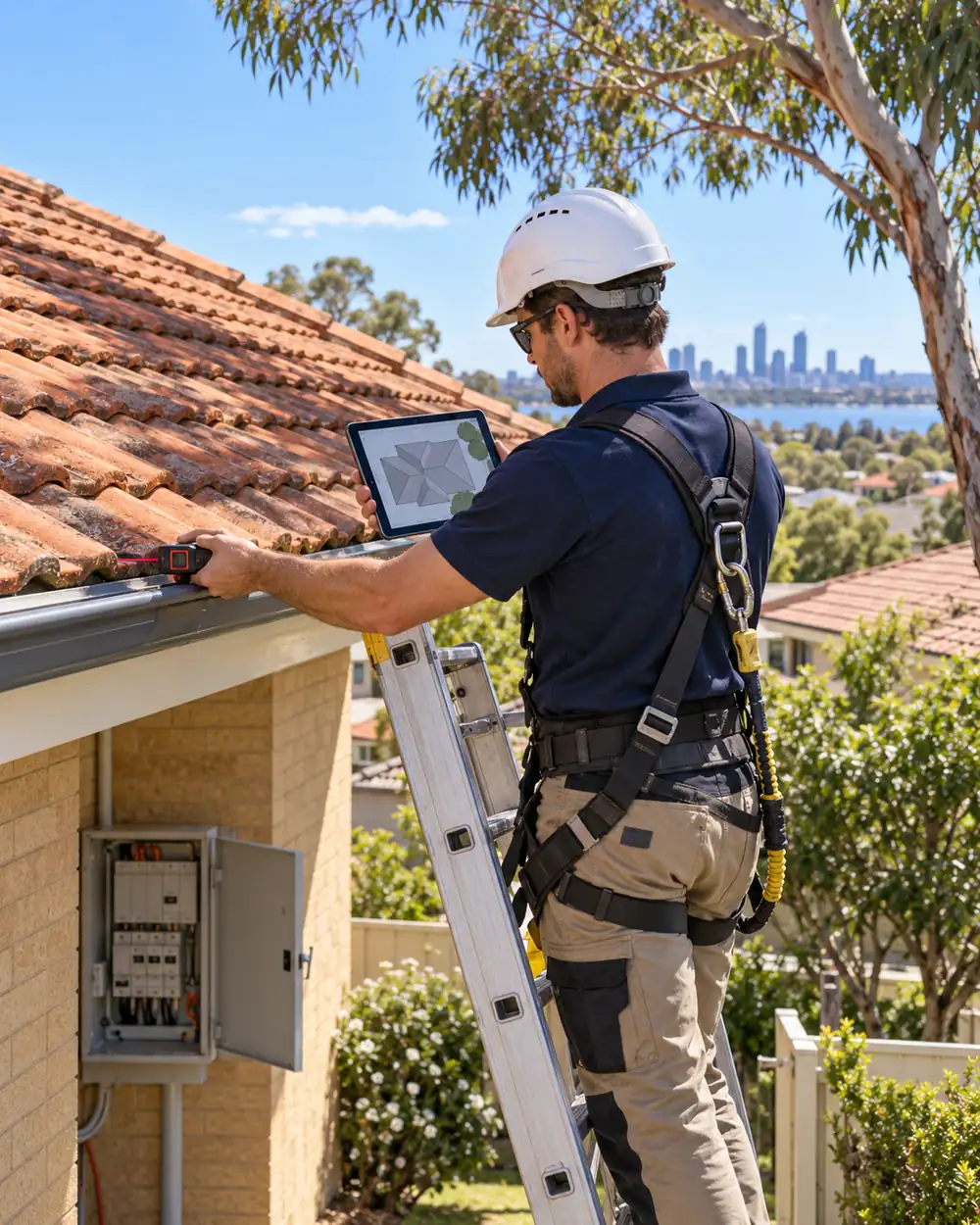
Our Six-Step Solar Panel Installation Process
- Usage review.We start with your electricity bills or interval data so the system matches when you use power, not just how much.
- Site assessment.An accredited designer checks roof orientation, pitch, structure, shading, cable routes and the condition of your switchboard. Some of this can be done from aerial imagery, but we confirm on site before final design.
- Design and proposal.You receive a panel layout on your roof, product data sheets, the expected certificates (STCs) and any switchboard or meter work needed.
- Network approval.We apply to your local distribution network before installation. The network sets how much your system may export and can approve, limit or ask for changes.
- Installation day.Our accredited installers mount the panels, fit the inverter, run the cabling and connect the system to your switchboard.
- Commissioning and handover.We test the system, set the export limit, connect monitoring, lodge the compliance paperwork and walk you through it.
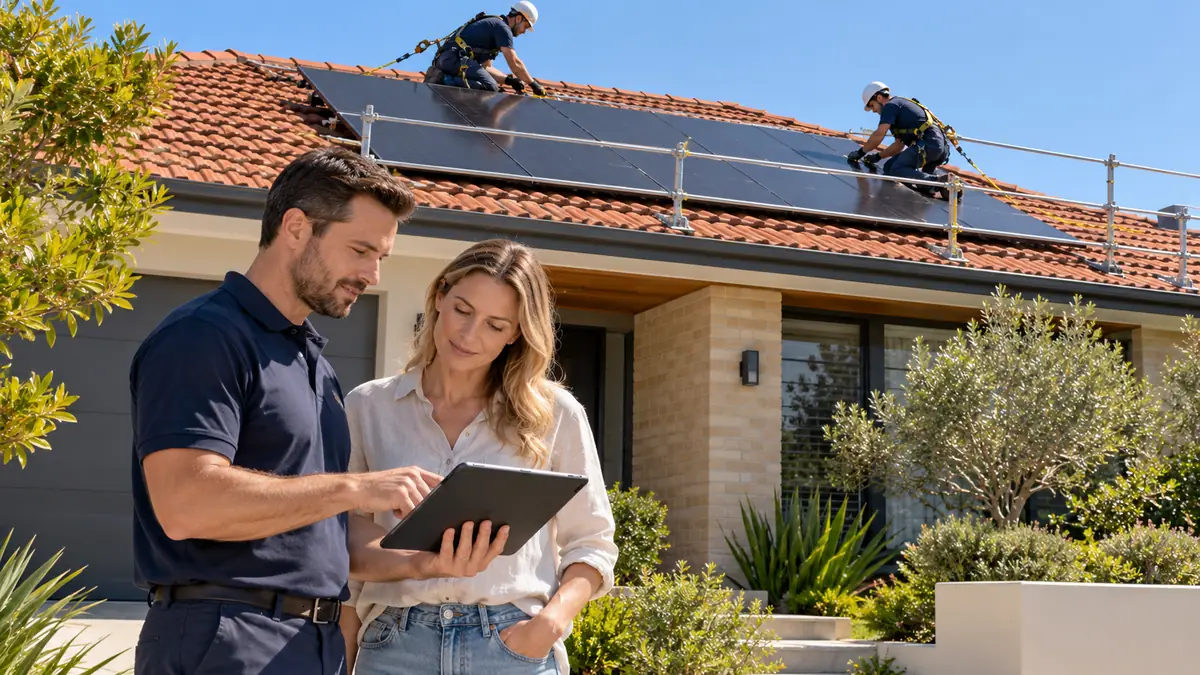
The certificates mentioned in step 3 are explained in our solar rebate guide.
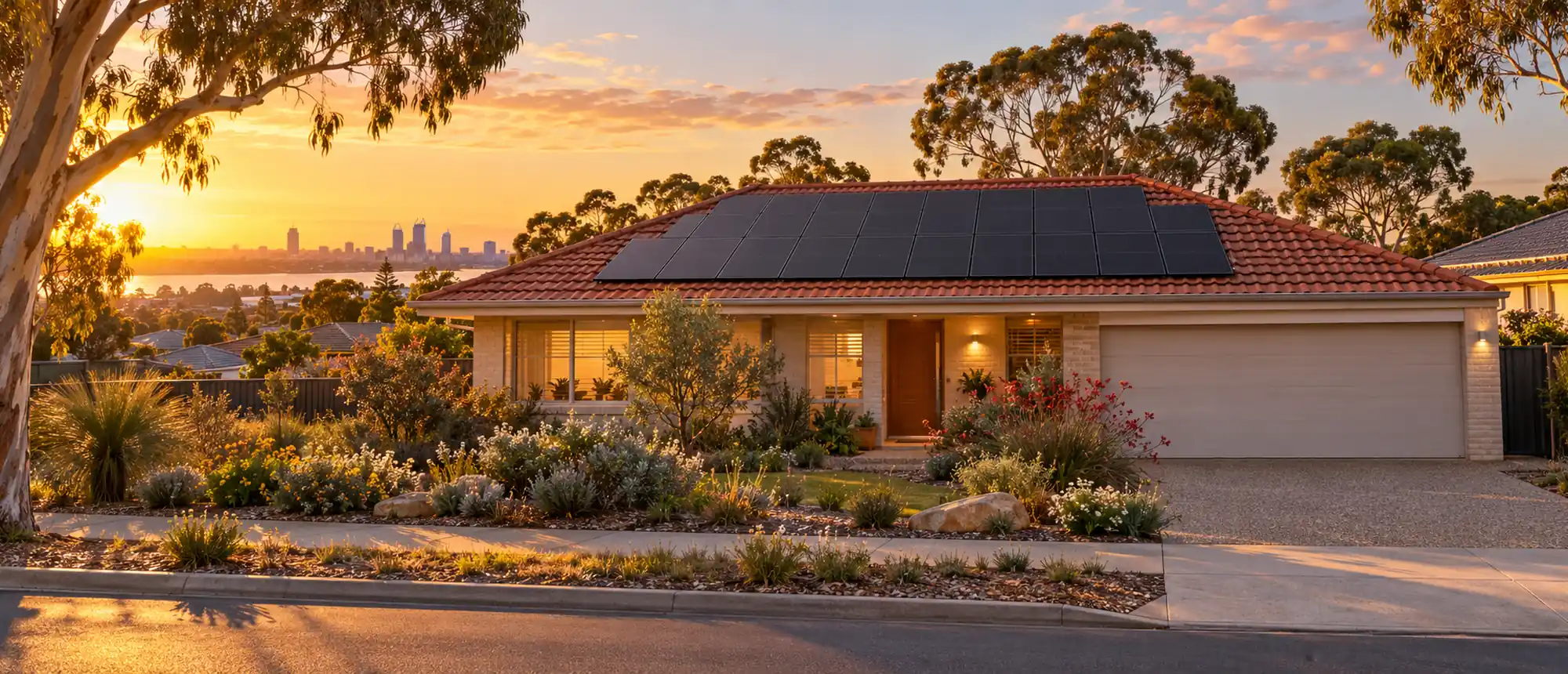
The Rules Every Installation Must Meet
Rooftop solar is electrical work on your home, and Western Australia regulates it closely. A compliant installation for solar panels must meet, among others:
| Requirement | What it covers |
|---|---|
| AS/NZS 5033 | Design and installation of the PV array: DC cabling, isolation, labelling and fire safety |
| AS/NZS 4777.1 | How the inverter connects to the grid |
| AS/NZS 3000 (Wiring Rules) | All electrical work in the home |
| Installer accreditation | The designer and installer must be accredited with Solar Accreditation Australia for the system to earn STCs |
| CEC approved products | Panels and inverter must be on the Clean Energy Council lists |
| Network connection rules | Export limits and inverter settings set by your distribution network |
The final electrical connection must be made by a licensed electrician, and you should receive your state's electrical safety certificate when the job is done.
What Happens on Installation Day
- Typical roof and electrical work
- 1day
- Larger, steeper or switchboard jobs
- 2days
- From usage review to handover
- 6steps
Most single-storey homes with a straightforward roof are finished in a day. Larger systems, steep or double-storey roofs and switchboard upgrades can stretch it to two.
What you can expect:
- Arrival and safety set-up.The crew checks access, sets up edge protection or harness points and confirms the panel layout with you.
- Roof work.Rails go on first, fixed to the roof structure, then the panels. On tile roofs, tiles are lifted and replaced around each bracket.
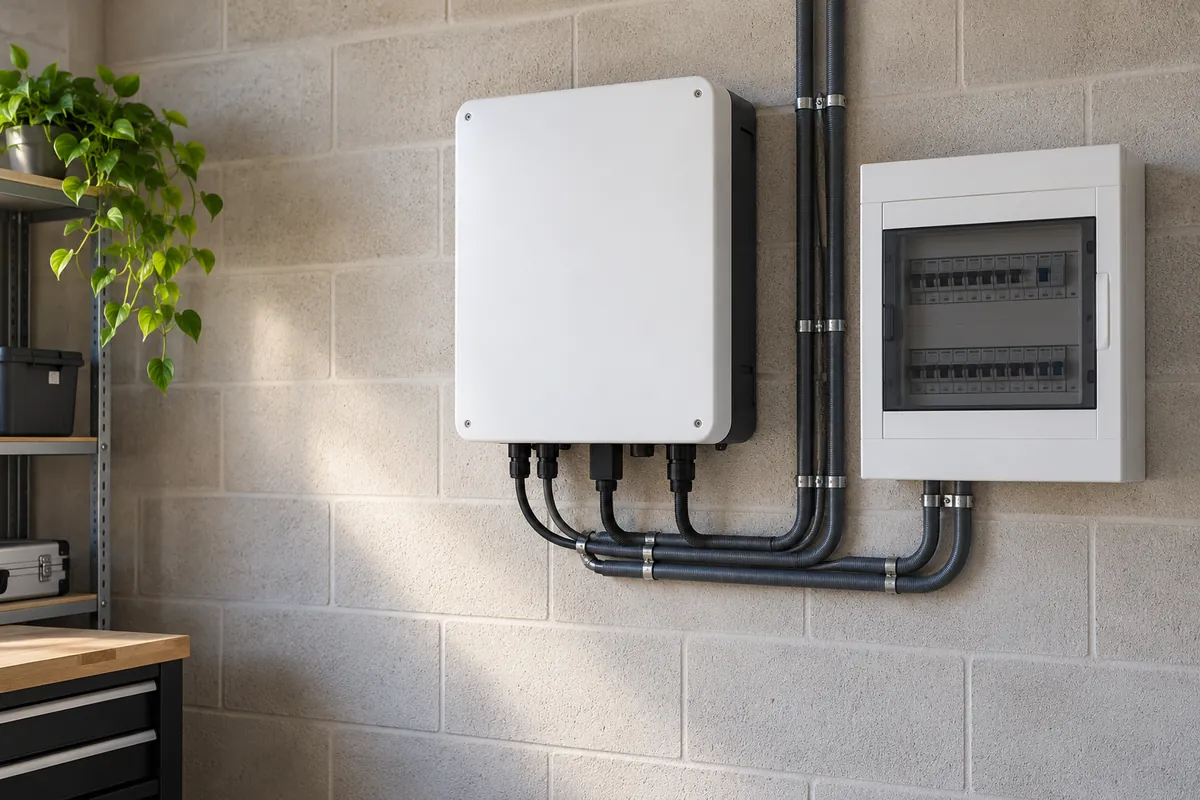
- Inverter and cabling.The inverter is mounted in a shaded, ventilated spot, usually near the switchboard. DC cable runs through protected conduit.
- A short power-off.Your power goes off briefly while the system is connected to the switchboard. We tell you when and for how long.
- Testing.Insulation, polarity and voltage tests come before the system is switched on.
You do not need to be home all day, but someone should be there at the start and at handover.
Not Sure What Suits Your Home?
Send a recent bill and we will come back with a written recommendation, including when solar and a battery do not make sense.
After Your Solar Panels Are Installed
Installation is not the finish line. Two more things need to happen before your system works as intended:
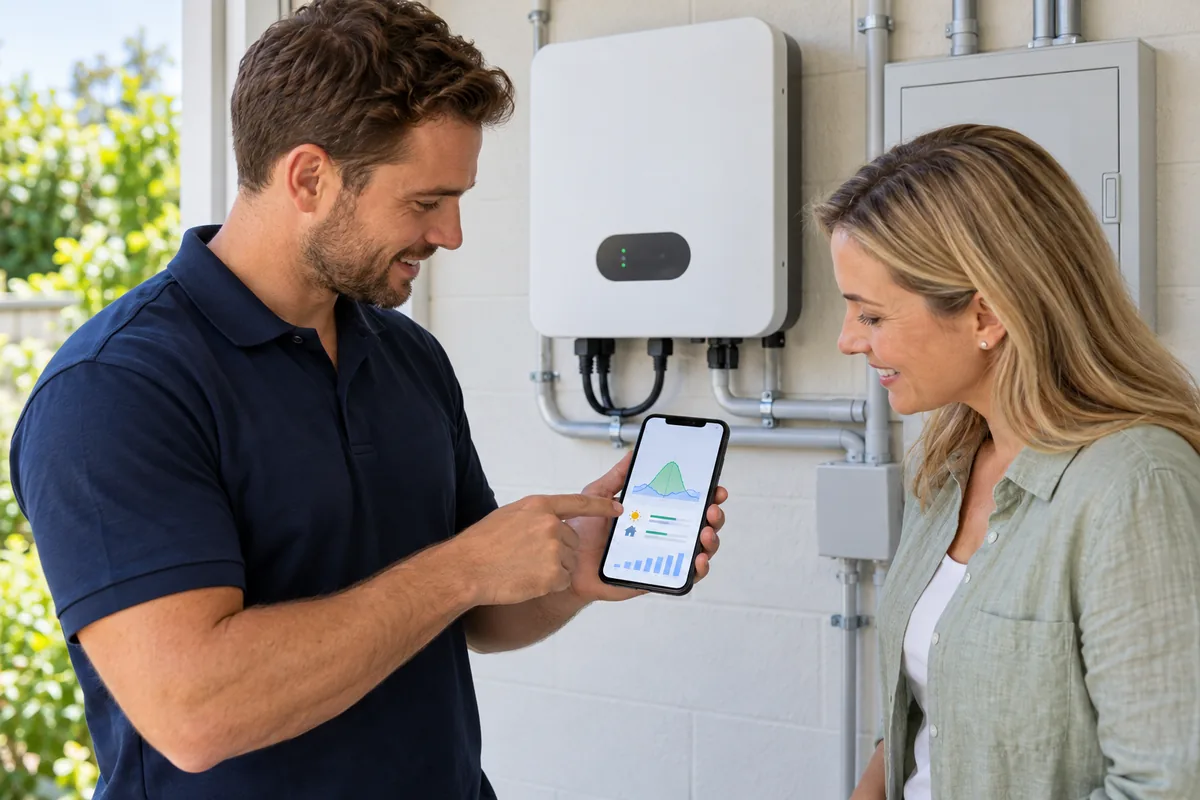
- Meter reconfiguration.Your electricity retailer arranges for your meter to record exports. Until then, your system may be limited or your credits may not appear. We send the paperwork the same day and tell you who to chase if it stalls.
- Monitoring set-up.You get app access so you can see production, and later, if you add one, battery activity.
You will also receive your compliance certificate, product warranties, the system's single-line diagram and our workmanship warranty terms.
How to Choose a Solar Panel Installation Company
The installer matters as much as the panels. Before you sign with any solar panel installation company, check:
- Can you see the name of the accredited installer who will do the work? Can you verify them?
- Will the people designing the system visit or properly survey the roof?
- Does the proposal list exact product models rather than "tier 1 panels"?
- Who handles network approval and meter changes?
- Is the workmanship warranty in writing, and who honours it if the company closes?
- Are subcontractors used, and is that disclosed?
Be careful with door-knocking offers, quotes that expire within hours, and pressure to sign before a site check. None of those make a better system.
Solar Panels Installed Alongside a Battery or EV Charger
If a battery or EV charger is likely in the next few years, say so at the start. It changes the inverter choice, the switchboard layout and sometimes the system size. Installing everything in one visit also means one network application. Read how we approach solar battery installation.
Want This Worked Out for Your Roof?
A site assessment checks your roof, switchboard and network rules before any design is drawn.
Where We Install
We install across Perth and surrounding suburbs in Western Australia, with dedicated local knowledge for Perth, where Western Power's connection rules changed on 1 May 2026 for new and upgraded systems.
Frequently Asked Questions
How Long Does a Solar Panel Installation Take?
The roof and electrical work usually takes one day for a typical home. Allow a few weeks overall for design, network approval and meter changes.
Do I Need Council Approval for Rooftop Solar?
Most homes do not, because standard rooftop solar is exempt development in most states. Heritage-listed homes, some estates and strata properties may need approval. We check before quoting.
Will Installing Solar Panels Damage My Roof?
Not when done properly. Brackets are fixed to the roof structure, penetrations are sealed and broken tiles are replaced. Ask any installer how they handle your specific roof type.
Can I Install Solar Panels Myself?
No. In WA the connection must be done by a licensed electrician, and only systems installed by an accredited installer are eligible for STCs.
What Happens If My Network Limits Exports?
Your system can still be installed, but the inverter will be set to cap exports. In that case we may recommend a different size or a battery to use more of what you generate.
Ready to Talk About Your Installation?
Send us a recent bill and your address. We will check your roof and network rules, then send a written design you can compare with any other quote.